Why Retailers Need a Queue Management System in Saudi Arabia in 2026
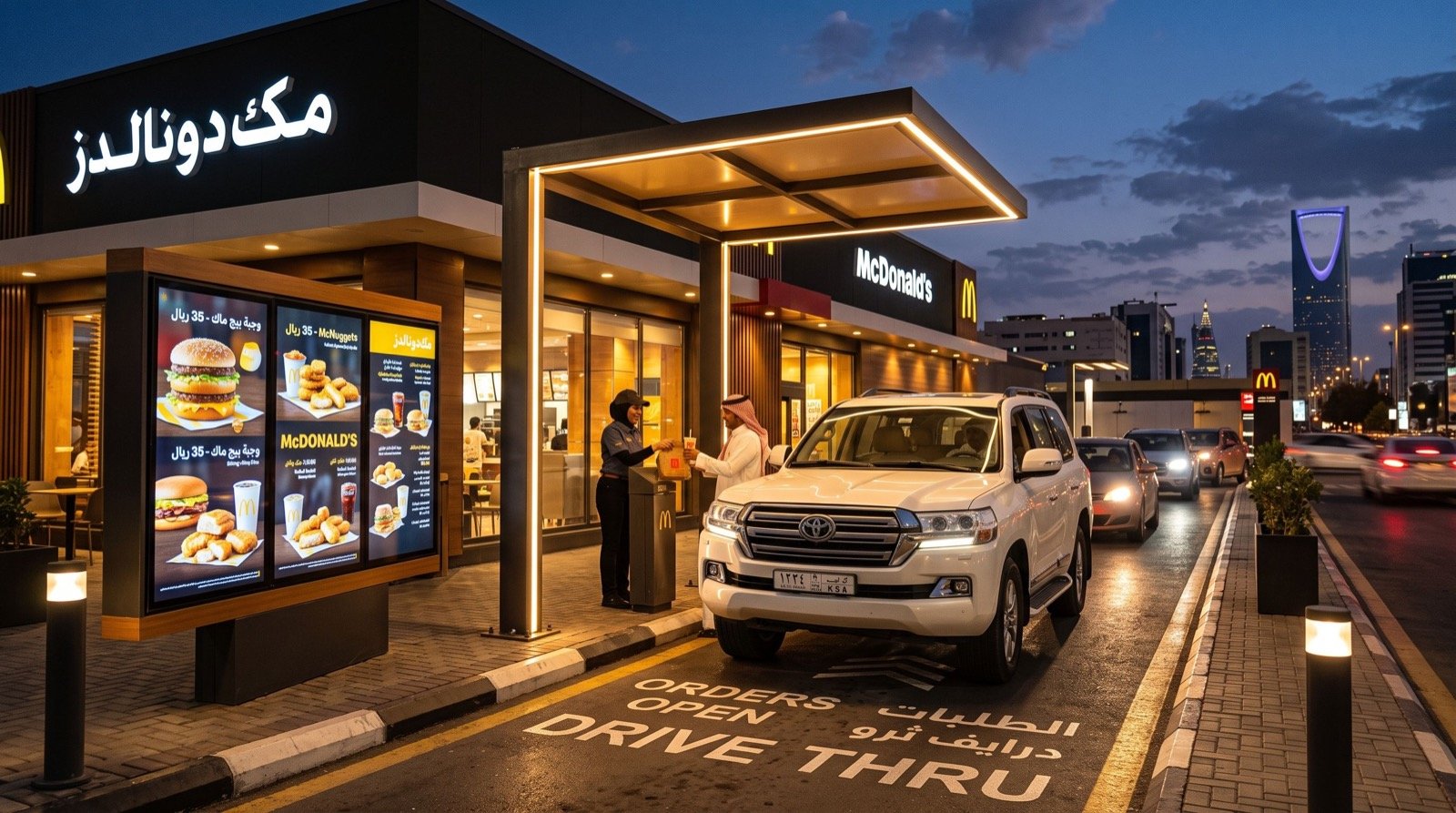
Saudi shoppers have grown used to fast checkouts at international chains, and that expectation has spilled over into local supermarkets, pharmacies, telecom retail counters, and banks across the Kingdom. A queue management system in Saudi Arabia paired with reliable barcode scanning hardware is now the standard combination retailers use to keep lines moving during peak hours, from Ramadan evening rushes to weekend mall traffic.
This article looks at the retail side of queue technology specifically: how it pairs with point-of-sale scanning hardware, what hardware specs actually matter on a busy counter, and how to budget for a rollout across multiple branches in 2026.
The Retail Checkout Bottleneck Problem
Most line slowdowns in Saudi retail are not caused by cashier speed. They are caused by three things stacking up at once: a slow or inaccurate barcode scan, a queue that is not visually organized, and a lack of data showing management where the bottleneck actually sits. Fixing only one of these rarely solves the underlying problem.
A proper queue management system in saudi arabia solves the organization and data layers. It gives shoppers a clear ticket or virtual position, shows live wait estimates on a screen, and logs every transaction’s duration so store managers can see exactly which counter or which hour needs more staff.
Why This Matters More in 2026
Saudi retail foot traffic has grown steadily alongside tourism initiatives and giga-project workforce migration into cities like Riyadh and NEOM-adjacent regions. More shoppers means more pressure on checkout infrastructure that was often designed a decade ago. Retailers who have not modernized their flow management are now visibly slower than competitors who have.
How Barcode Scanning Hardware Fits Into the Queue Experience
A queue management system only moves people efficiently up to the counter; what happens at the counter still depends on scanning speed and accuracy. This is where hardware choice becomes critical, and it is an area many store owners underestimate.
For high-volume counters, a hands-free presentation scanner removes the need for cashiers to pick up and aim a handheld unit for every single item, which saves real seconds per transaction, and seconds add up fast over hundreds of daily transactions.
| Scanner Type | Best For | Typical Scan Speed Gain |
|---|---|---|
| Basic handheld laser | Low-volume counters | Baseline |
| Hands-free presentation scanner | Supermarkets, pharmacies, telecom retail | 20-30% faster per item |
| Omnidirectional imager | Damaged or curved barcodes | Fewer re-scans, fewer stalls |
A widely deployed option in this category is the Honeywell Vuquest 3320g, a hands-free area-imaging scanner that reads barcodes from almost any angle without the cashier needing to reposition items, which is particularly useful at high-traffic grocery and pharmacy counters where speed directly affects queue length.
What Should a Queue Management System in Saudi Arabia Actually Include?
Not every queue platform is built the same. For retail specifically, confirm your shortlist covers these essentials:
- Ticket kiosks that support Arabic and English with clear large-font displays
- Counter-side screens showing “now serving” numbers visible from across the store floor
- Backend analytics that break down average service time per counter and per hour of day
- Staff call-forward buttons so an idle counter can pull the next customer instantly
- Integration hooks or at minimum data export compatibility with your existing POS software
Retailers managing several branches across cities like Jeddah, Dammam, and Makkah should also insist on a centralized dashboard. Being able to compare branch performance side by side is one of the most underrated benefits of a modern system, because it quickly reveals which store managers are running efficient floors and which locations need additional training or staffing.
Barcode accuracy itself is governed by global standards maintained by GS1, the industry body behind the barcode symbologies used on nearly every retail product sold in Saudi Arabia. Scanner hardware that is certified against these standards tends to produce far fewer misreads, which is one more reason hardware selection and queue software selection should be evaluated together rather than separately.
Budgeting for a Multi-Branch Rollout
Retail chains often ask whether it is smarter to roll out queue technology to every branch at once or pilot it first. In almost every case we have seen, piloting one or two representative branches for 60-90 days before a full rollout saves money, because it surfaces hardware placement issues and staff training gaps before you have multiplied the mistake across ten or twenty locations.
- Pilot phase: pick your busiest and a mid-traffic branch to test hardware durability and staff adoption
- Review phase: pull 60 days of analytics and compare wait-time improvement against pre-rollout baseline
- Scale phase: negotiate bulk hardware pricing once you know exactly which scanner and kiosk models hold up
- Maintenance phase: set a recurring service schedule rather than waiting for hardware to fail
Store owners who want a vendor comparison grounded in real deployments across the Kingdom’s retail sector have found it helpful to consult reliable local experts on invoicing and compliance software, since queue upgrades and billing system upgrades often get bundled into the same annual IT budget cycle for restaurants and retail groups.
Common Hardware Mistakes on the Retail Floor
Even good software gets undermined by poor hardware choices. Watch for these recurring issues:
- Buying the cheapest scanner available and absorbing the cost later in re-scans and cashier frustration
- Placing queue display screens where glare from storefront windows makes them unreadable at midday
- Skipping a backup power plan for kiosks during the Kingdom’s occasional summer grid fluctuations
- Not training weekend or seasonal staff on queue override procedures for VIP or elderly customers
Frequently Asked Questions
Does a queue management system in Saudi Arabia need to be custom-built per store?
No. Most reputable platforms are modular and can be configured per branch without custom development, which keeps both cost and deployment time manageable for chains with five, ten, or fifty locations.
Can hands-free scanners like the Vuquest 3320g work with existing POS software?
Yes, these scanners typically connect via USB or Bluetooth and emulate standard keyboard input, meaning they work with almost any POS software already in use without custom integration work.
How long does installation take for a single branch?
A single-branch install, including kiosk placement, display mounting, and staff training, usually takes one to two working days when the vendor has pre-configured the software to your branch layout beforehand.
What is the biggest ROI driver for retailers specifically?
Reduced perceived wait time is the biggest driver. Customers who can see a clear number and an estimated wait tolerate the same actual wait far better than customers standing in an unstructured crowd, which measurably improves repeat-visit rates.
Final Thoughts
Queue technology and checkout hardware are two halves of the same customer experience problem in Saudi retail. Solving only one rarely delivers the full benefit. Retailers who pair a well-configured queue management system with dependable scanning hardware, and who pilot before scaling across branches, consistently see the strongest wait-time and satisfaction improvements heading into 2026 and beyond.